We should work with the existing energy industry to achieve a smooth transition instead of demonizing it.
As of this writing, six of the world’s ten largest companies 1 by revenue are in the oil & gas industry. The annual revenue in this sector is nearly $5 trillion, making it the second-largest industry after agriculture. These companies participate in a highly integrated and competitive supply chain driven by commodity pricing set mainly by OPEC. Coincidentally, $5 trillion is almost precisely the annual “investment” that the COP brain trust suggests will be needed to transform the world economy into a low-carbon one, a topic I’ve covered previously.
So, why is this topical? Well, at the Druid festival celebrating the Summer Solstice at Stonehenge, several activists from the eco-terrorist group “Just Stop Oil” decided that spraying their name on the side of the ancient monument would be considered an act of “civil resistance.” [It reminds me of the time Martin Luther King sprayed “I Have A Dream” on the Lincoln Memorial after his famous speech.] It isn’t “resistance”. It’s not persuasive. It’s childish. Does it make sense for the suppliers of energy to be vilified without examining the consequences on the consumers of energy?
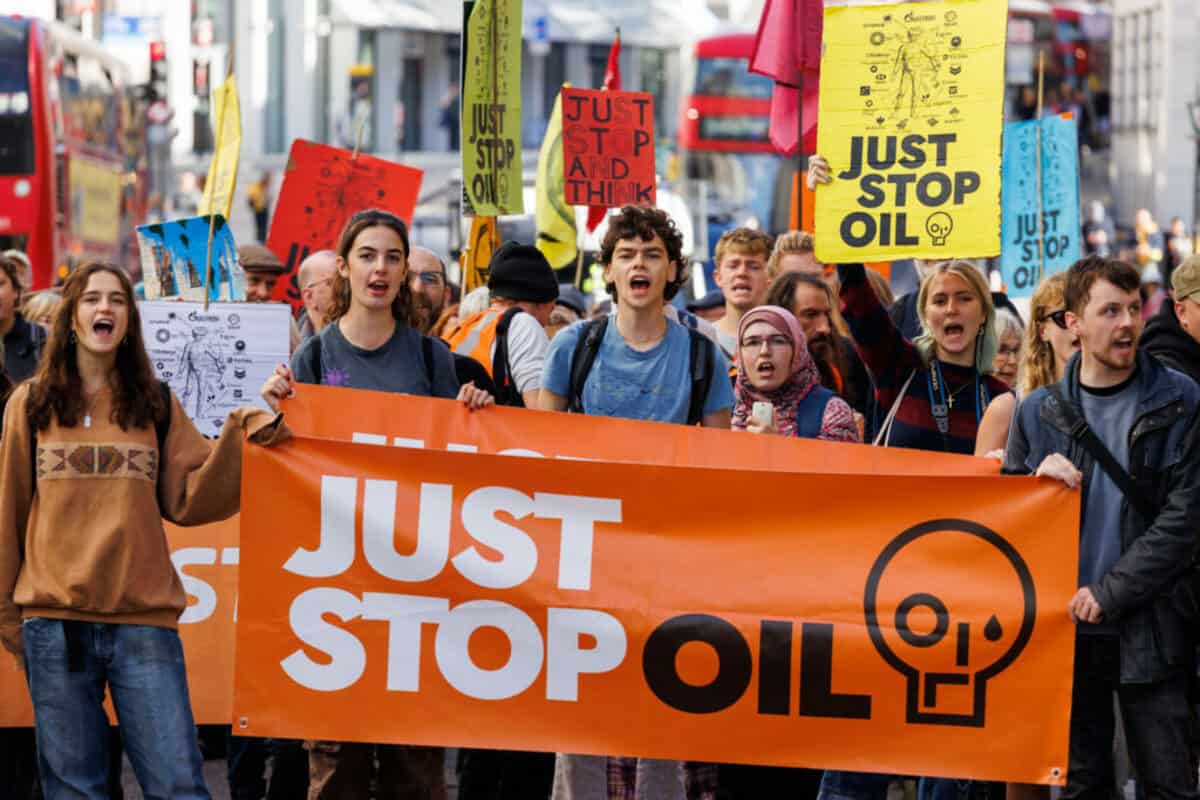
In the imaginary world subject to the totalitarian control of the Just Stop Oil loonies and their kind, there would be a single-minded objective: Total decarbonization. Oil and gas extraction would be outlawed globally and enforced harshly. The outcome would be comparable to Prohibition, where criminals would gain control of energy and create an active black market for fuel. It would not impact climate, except perhaps the global economy might crater, reducing energy demand. Is that really what we want for our future?
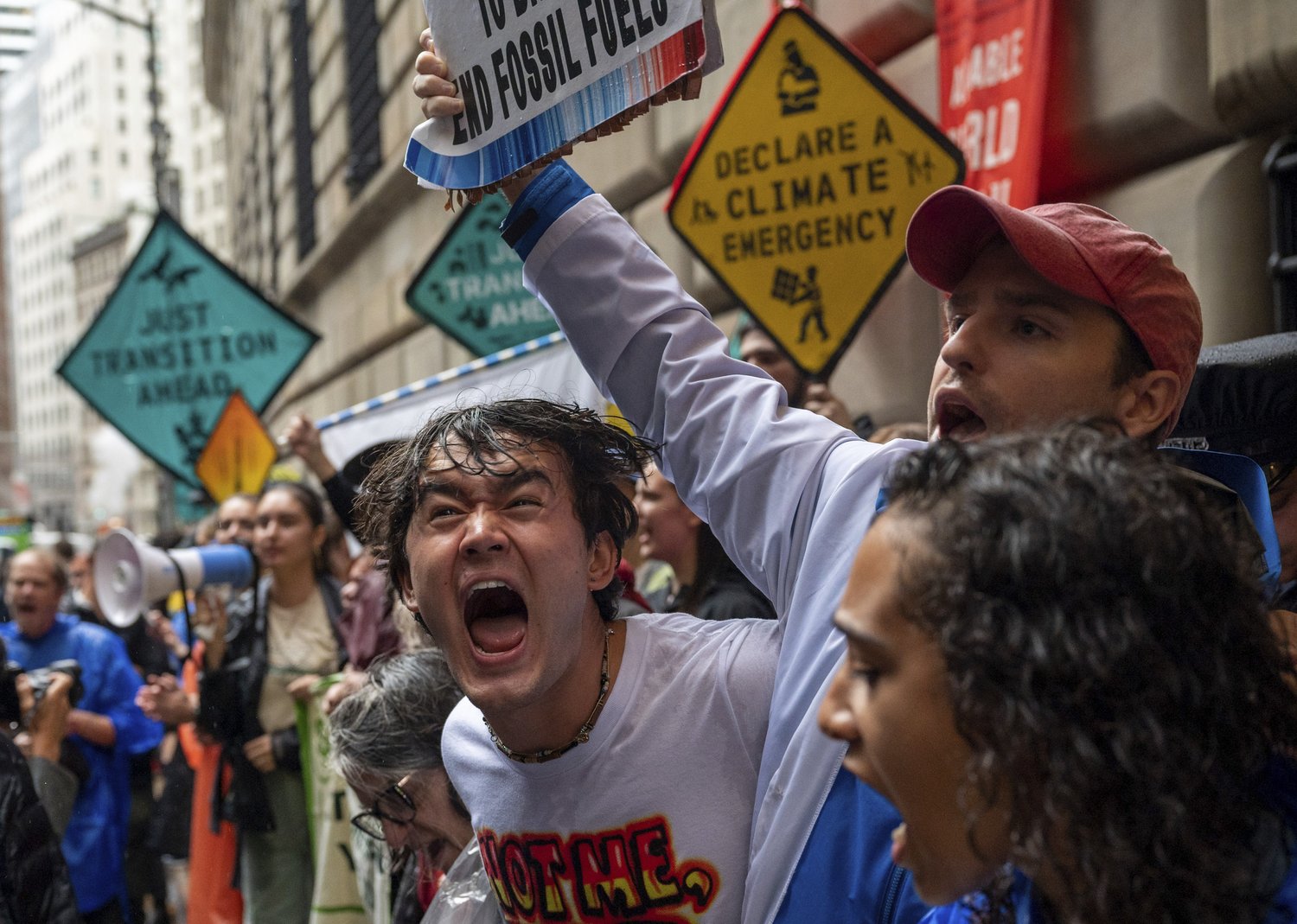
Unfortunately, these spoiled children throwing temper tantrums have supporters who should know better. Many pundits and journalists want to frame the “low carbon transition” as a “win-lose” contest between renewables and Big Oil. If this is the storyline, then there are two Hollywood endings: Either a phalanx of renewables warriors enters a pitched battle to shut down the last refinery…
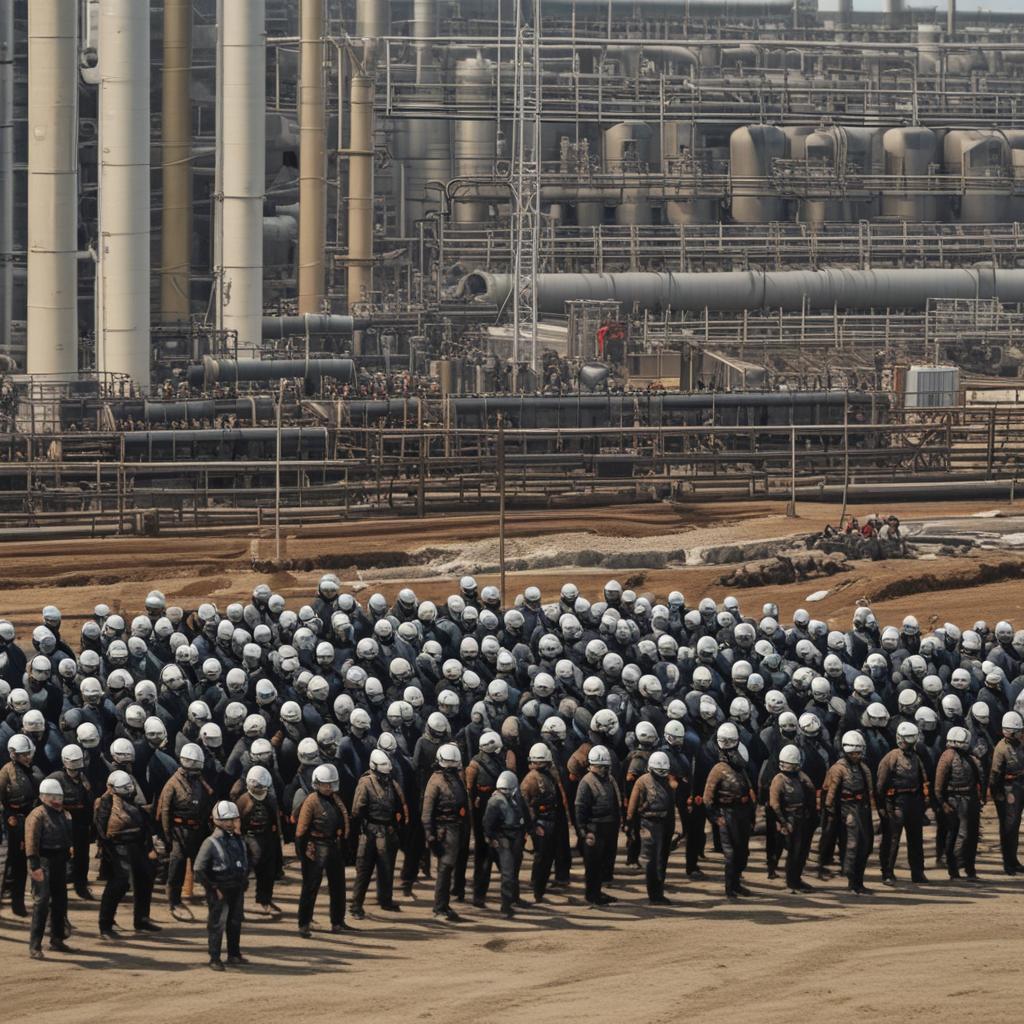
…or the Empire’s stormtroopers strike back to destroy solar panels and blow up electric vehicles.
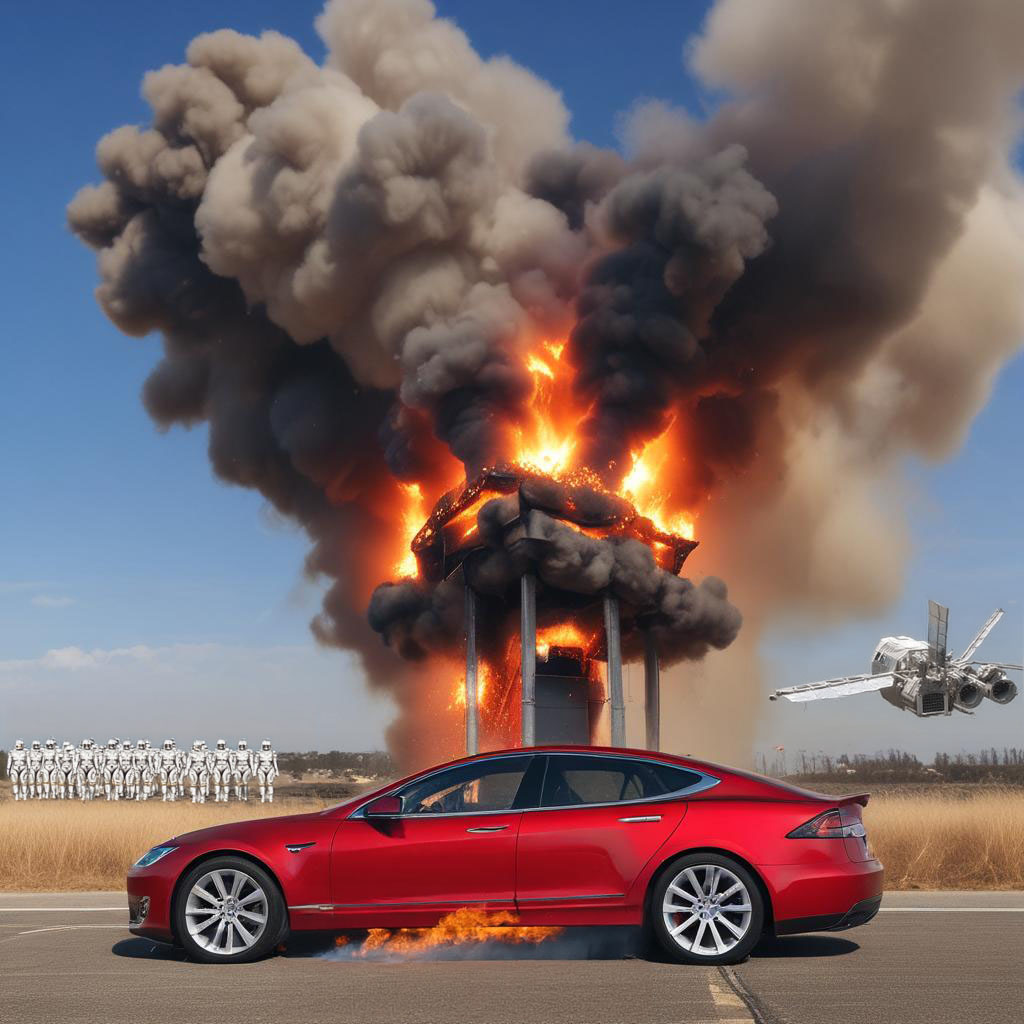
These CGI representations might make for a good fantasy novel-cum-movie, but the reality is that without the mission alignment created by a win-win outcome, the result is destructive.
It is foolhardy to expect any social movement to move the needle without the active participation of the existing energy industry. Energy and climate are not social problems like slavery or Apartheid; they’re global, not regional, so they adhere to the Laws of Nature, not social “norms”. If the world is ever going to “transition” to clean energy, the existing energy industry must buy in, if only because of the enormous scale and transitions involved. Would you welcome their competition? I wouldn’t. Vilifying oil executives or dredging up ancient documents that somehow “prove” these companies are willfully selling out our climate is not constructive. Instead of promoting conspiracy theories, we should assume good intentions simply because we’re all on the same side: Energy companies want to supply energy, and energy consumers want to use energy.
It is also foolhardy to expect vigorous global regulation to solve the problem, at least in part because so much of the existing energy industry is owned by totalitarian regimes. If the flow of oil abruptly stopped worldwide, Saudi Arabia would go bankrupt at the speed of light. More disturbingly, the Chinese Communist Party would simultaneously lose a significant source of revenue and deprive its increasingly affluent population of fuel. How long do you think it would take before a revolution took place?
Instead, what is already happening is that many executives from existing energy companies are doing much more than paying lip service to the transition process. These folks don’t want to end up like the executives from Eastman Kodak who failed to adjust to the threat of digital photography. Bernard Looney, the CEO of BP (which hasn’t been British Petroleum for decades), is scaling back on geologic carbon while investing heavily in renewables 2 , and I covered Sultan Ahmed Al Jaber, CEO of the Abu Dhabi National Oil Company, and his issues with the “climate activists” earlier 3 . These are well-intentioned individuals willing to change course, and we should support them.
Accusing energy executives of irresponsibility is itself irresponsible. In climate, there is no win-lose; it’s either win-win or lose-lose. How we react, both individually and collectively, will determine the outcome.
Three are state-owned: Saudi Aramco, CNPC, and Sinopec; three are independent: Vitol (a privately held company in oil trading), ExxonMobil (NYSE: XOM), and Shell (LSE: SHEL).